
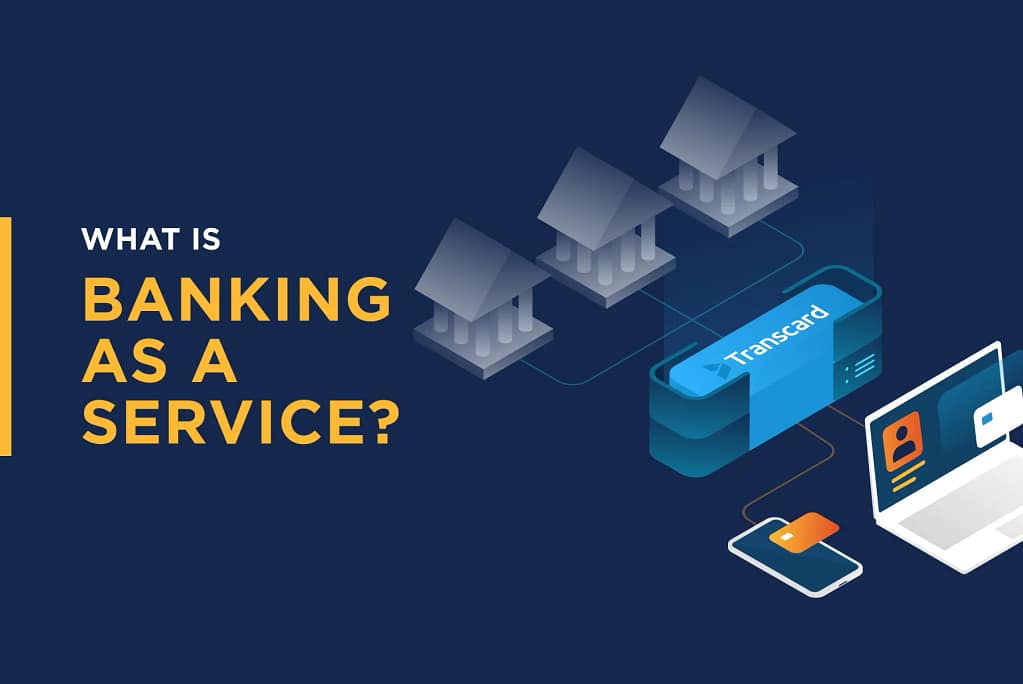
Banking as a Service (BaaS) refers to methods where digital banks and third parties connect their business infrastructure to a bank’s system through APIs. To put it another way, BaaS incorporates banking with fintech. It is revolutionizing the banking system for the benefit of both fintech owners and customers with the new technology.
Banking-as-a-Service (BaaS) solutions where non-banking companies offer banking services to their customers without building and maintaining their banking infrastructure. Specifically, we’ll tackle the advantages of BaaS for fintech companies.
- Adds potential extra revenue sources
Fintech firms can offer BaaS solutions to their consumers and vendors leading to an additional revenue stream like customer and merchant financing. BaaS enables your company to provide financial services by leveraging traditional banking infrastructure.
Examples of these services include deposit accounts, loans, payment processing, and card issuing. Fintech firms support these services in collaboration with traditional banks or financial institutions.
- Provides Regulatory and Compliance Support
In partnership with a licensed bank, fintech start-ups gain access to different compliance and regulatory support services, including ensuring that all financial goods and services are fully compliant and providing continuing support to assure compliance.
- Reduces the Cost of Getting New Customers
By collaborating with different banks and non-bank companies, BaaS broaden your customer reach from different market segments. This results in lesser spending in customer acquisition.
Suppose your fintech company wishes to provide loans to small and medium-sized enterprises. If your fintech firm wants to give clients a comfortable payment solution, you can collaborate with a non-bank payment provider to deliver a seamless payment experience.
- Streamlines Operations and Automate Processes Faster
Fintech companies can automate their banking procedures, such as account opening, account management, and transaction processing, by leveraging BaaS. As a result, they can streamline their operations, decrease manual errors, and increase efficiency.
A professional BaaS provider often provides Application Programming Interfaces (APIs) that enable fintech companies to seamlessly incorporate banking services into their existing systems and platforms. This enables them to automate financial procedures and provide a consistent customer experience.
- Creates Flexibility and Increases Security
A trusted BaaS provider often offers a variety of financial goods and services that can be tailored to the specific needs of their partner fintech firms. This enables fintech companies to provide a more personalized and personalized service to their consumers, thus increasing customer happiness and retention.
A BaaS solution often has strong security measures in place to secure your systems and customer data. Fintech organizations can improve their internal security procedures and lower the risk of cyber threats and data breaches by working with an expert BaaS provider.
Why Fintech Shift to Banking-as-a-Service?
Banking-as-a-Service (BaaS) is becoming popular among fintech companies because it allows them to harness established banks’ expertise and infrastructure to deliver financial services more effectively, securely, and compliantly. This allows them to concentrate on innovation, customer experience, and business growth while lowering expenses and regulatory load.
For guides and updates about BaaS solutions like a loan origination system, visit our site www.fintechone.co. Also, reach us at info@fintechone.co on how we can help your company.